
Sell Land in Washington State With a Direct Local Buyer
Sell land in Washington State with Goan Properties Limited. We buy vacant land, inherited parcels, older homes with land value, infill lots, and development property. No listings, no commissions, and no pressure.
We help landowners across Pierce County, King County, Snohomish County, and Thurston County. Whether you own vacant land, inherited property, a difficult parcel, or a development site, we provide a direct local option.
Start with an address or parcel number, county, and email. Phone and property notes are optional. No plans or studies are required to begin.
Sell land in Washington State without listing delays, agent commissions, or pressure. Goan Properties Limited works with landowners who want to sell residential lots, inherited property, older homes with land value, unwanted parcels, and development land through a direct review process.
Why Sell Land in Washington State to Goan Properties Limited
We are a local land buyer focused on the practical details that affect land value. We review zoning, utilities, access, parcel usability, surrounding development, holding costs, and the path from property review to closing.
Selling vacant land is not the same as selling a house. Some parcels need a buyer who understands land feasibility, development potential, access limitations, utility questions, slope, drainage, title issues, or back taxes.
- Direct local buyer with no agent commissions
- Simple starting form and property-specific follow-up
- We review vacant land, inherited land, infill lots, and development parcels
- We can review properties with access, tax, title, zoning, or utility questions
- We serve multiple Washington markets, including Pierce, King, Snohomish, and Thurston County
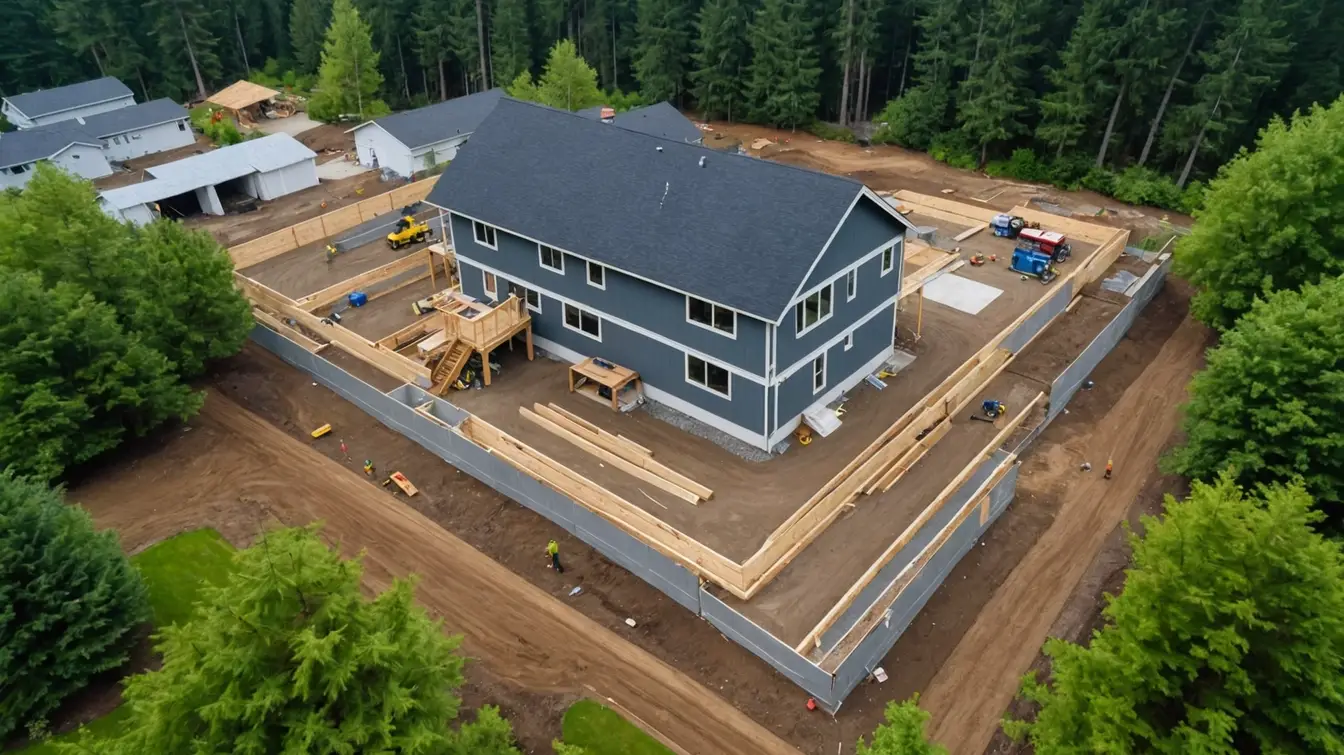
Built for Land, Not Generic Real Estate
A normal residential buyer may not know how to evaluate a vacant parcel, an older home where the land drives the value, or a property with development questions. That is why Goan Properties Limited starts with the parcel itself.
Our initial acquisition screen helps identify whether a property may fit our buying criteria and what information is needed next. Follow-up may address location, zoning, access, utilities, site conditions, or market demand. Any purchase discussion depends on the property and agreed terms.
Vacant lots: residential lots, infill lots, and undeveloped land.
Inherited land: parcels owners no longer want to hold or maintain.
Development parcels: land where zoning, location, utilities, and usability matter.
Own Development Land, an Older Home, or Adjoining Parcels?
A site may deserve a closer look because of its location, existing use, or relationship to neighboring land. A zoning label or early concept alone does not establish an approved project, unit count, or purchase price.
If several parcels are involved, list the parcel numbers you know, identify which you own or represent, and tell us whether the other owners are participating. Unknown participation is okay; adjacency alone does not confirm combined development potential.
Have a more specific property? Explore multifamily land, commercial land, or infill lots. These pages explain property-specific questions and lead to the same short review form.
What Do You Already Know About Your Property?
Use this checklist to organize what you know and what still needs verification. You can request a review with an address or parcel number, county, and email; the details below are optional.
Property and ownership
- Address or parcel number and county.
- Current use, existing buildings, or an extra side lot.
- Which parcels you own or are authorized to represent.
- Whether adjoining owners are participating, if known.
Question to clarify: Are you discussing one parcel or several? Unknown details are okay.
Access, utilities, and site
- Known road, alley, or easement access.
- What you know about water, sewer or septic, and power.
- Known slopes, drainage, trees, or other site concerns.
- Any prior utility or planning correspondence.
Question to verify: Is the information documented, owner-reported, or still unknown? Nearby utilities alone do not establish service or capacity.
Prior work and your goal
- Any existing concept, survey, study, or application.
- Whether a plan is an idea, submitted proposal, or documented approval.
- Your preferred sale timing and main question.
- Any known issue that may affect a sale.
Next step: Mention documents in the form notes. We can request them during follow-up; no new studies are needed to begin.
This checklist organizes information. It does not calculate a land value, development score, or utility-readiness rating.
How to Sell Land in Washington State
Start with the basics. We consider the property from an acquisition perspective, clarify open questions, and discuss whether there is a next step.
Share the Basics
Enter an address or parcel number, county, and email. Phone and notes are optional. Share your main question and any property details you already know.
Clarify the Property
We may follow up about ownership, current use, access, utilities, site constraints, or prior work. Owner statements and information needing verification remain distinct from confirmed findings.
Discuss the Next Step
The next step may be missing information, further investigation, a purchase discussion, or a decision that the property is not a fit. A formal report or offer is not promised for every request.
The initial acquisition screen is not an appraisal, engineering assessment, or buildability approval. If purchase discussions progress, price, due diligence, contingencies, and closing timing depend on an agreed written contract.
Find the Right Land Page With the Washington Land Directory
The Washington Land Directory organizes Goan Properties Limited pages by county, city, property type, seller situation, and land resource. If you are not sure where to start, this is the best page to find the correct local land-buying resource.
Counties We Serve Across Washington
Goan Properties Limited evaluates land opportunities throughout Washington State, with strong coverage in the Puget Sound region. Use the county pages below to find the local page that matches your property.
Eastside and King County Landowners
King County and the Eastside include some of the most competitive and complex land markets in Washington. A Bellevue parcel, Redmond lot, Kirkland teardown, Issaquah hillside property, Sammamish plateau lot, Newcastle parcel, Mercer Island estate property, Kenmore infill site, Bothell corridor parcel, or Renton development opportunity may each require a different review.
We built the Eastside land section so owners can find the local page that matches their property instead of relying on a generic statewide page.
Local Review Matters
Land values can change dramatically from one city to another. A lot near a growth corridor, a parcel with utility access, or a property inside a stronger development market may need a different review than rural acreage or a difficult-access lot.
Choose the county or city page closest to your property for relevant local context, then share the details you already have through the short parcel-review form.
Types of Land and Property We Buy
Goan Properties Limited reviews many types of Washington land and development opportunities. Even if you are unsure about zoning, utilities, parcel use, or development feasibility, you can still submit the property for review.
- Vacant residential lots
- Infill lots and development parcels
- Inherited land and unwanted property
- Older homes where land value may drive the opportunity
- Higher-density or multifamily-zoned land
- Agricultural, commercial, and mixed-use land
- Parcels with back taxes, title issues, utility questions, or access challenges
When a Direct Sale May Make Sense
A direct land sale may be useful when you want a practical answer without preparing the property for a public listing, organizing a full marketing package. The buyer’s terms, due diligence, and closing requirements still matter.
It may also help if the property was inherited, has uncertain access, carries tax pressure, needs demolition, includes fire damage, or no longer fits your plans.
Washington Land Seller Resources
If you are researching how to sell land in Washington, these guides can help you understand your options before submitting your property. For general statewide property-tax information, you can also review the Washington State Department of Revenue property tax resource.
Frequently Asked Questions About Selling Land in Washington State
These questions help landowners understand how a direct land sale works before submitting a parcel for review.
Does requesting a review guarantee an offer?
No. The initial review is an acquisition screen. We may request more information, investigate further, discuss a possible purchase, or decide the property is not a fit. It does not guarantee an offer, formal report, buildability, or closing timeline.
Can I submit adjoining parcels with different owners?
Yes. List the parcel numbers you know, identify which you own or represent, and explain whether other owners are participating. Unknown participation is okay. Adjacency alone does not establish combined development potential.
Can I sell vacant land without using a real estate agent?
Yes. Many landowners choose to sell directly to a buyer instead of listing with an agent, especially when they want a simpler process and want to avoid commissions.
Do you buy inherited land in Washington?
Yes. We review inherited parcels, unwanted lots, and property that owners no longer want to maintain or hold long term.
Do you only buy land in Pierce and King County?
No. We have a strong focus on Pierce County and King County. However, we also review opportunities in Snohomish County, Thurston County, and other Washington markets.
What if my property has back taxes or development questions?
You can still submit the property. Mention known issues in the optional notes. We may follow up to clarify them and decide whether further investigation or a purchase discussion makes sense.
Do you review older homes where land value is the main opportunity?
Yes. We review older homes, damaged property, demolition situations, and parcels where the land may be more important than the current structure.
What should I send first?
Start with an address or parcel number, county, and email. Phone and property notes are optional. Mention any existing plans, studies, or prior planning feedback in the notes; documents can be requested during follow-up. You do not need to order new studies to begin.
Ready To Sell Your Land?
Start with the property details you already have. Our initial acquisition screen helps identify possible next steps; it does not guarantee an offer, formal report, development approval, or closing timeline.